


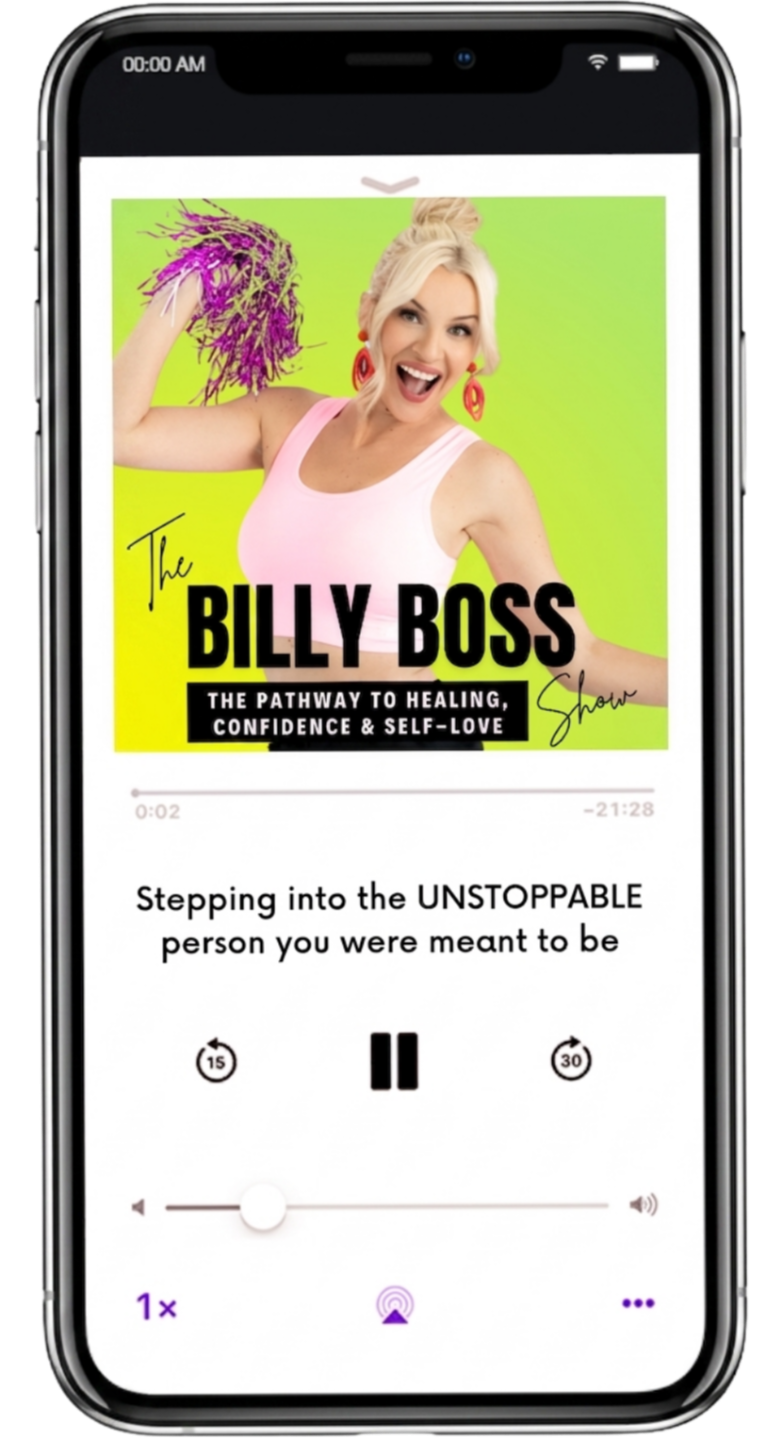

14 November 2023, by Billy Boss

What Do You Really Mean When You Say, "I AM FINE"


Do you know that “I am fine” is the most told lie in the English language? It is usually used when someone is, in fact, not fine but they say “I am fine” because they don’t want to burden others and it’s easier to explain than what’s wrong, would you agree?

F.I.N.E is said to stand for “Feeling Insecure, Neurotic and Emotional”, and can also be “Feeling I’m Nothing to Everyone” or “Feeling Inadequate, Needing Encouragement”. Whatever your definition of FINE may be most of us would just lie and say “I am FINE”, because it’s an easy way out.

Then why do we say “I am fine” when clearly, we’re not:

  • Not sure of what you really feel
  • Pretending to be okay
  • To avoid conflicts
  • Scared to tell what you're really feeling


Only those who identify with these feelings can truly understand the agony behind the words “I am fine.”

The next time someone asks how you are, think about the response you’re already anticipating. What if we didn’t settle for “fine”? What if we stop, take a moment, and answer with true sincerity how I’m doing? Or better yet, tell them how you’re feeling. We could all benefit from slowing down and honestly evaluating how we are doing.

LAST EPISODE

The Science of Confidence with Alyssa Dver


NEXT EPISODE 

Introducing The Boss Confidence: Your Starting Point for Personal and Professional Success Journey

Listen On...

14 April 2026, by Billy Boss

Mental Toughness: How to Stand Strong When Life Knocks You Down


Mental toughness is often talked about like it means having thicker skin, being unshakeable, and never letting anything get to you. But if you are a woman who feels deeply, carries a lot, and is trying to heal while still showing up for life, that definition can quietly make you feel like you are failing.

Because you might look “fine” on the outside, but inside you feel reactive, overwhelmed, anxious, or like you are one more moment away from snapping or shutting down.

In Episode 87 of The Billy Boss Show, we reframe mental toughness in a way that supports real life. Not perfection. Not emotional suppression. Not pretending you are okay.

This conversation is about mental toughness as emotional regulation, and how building the ability to pause, breathe, and choose your next step is what creates true resilience, self-worth, and a steadier kind of confidence. The kind that does not collapse the moment life gets loud.

When “being strong” becomes another way to abandon yourself

A lot of women have been praised for coping. For being the reliable one. For being composed. For pushing through. At first, that praise can feel like safety. If you stay capable, you stay acceptable. If you do not need much, you do not burden anyone. If you keep it together, you will not be judged.

But over time, that version of strength can quietly turn into self-abandonment.

Because you are not a machine. You are a human being with a nervous system. And when your nervous system does not feel safe, it will find ways to protect you. Sometimes that protection looks like anger. Sometimes it looks like shutting down. Sometimes it looks like people-pleasing, over-explaining, overthinking, anything to reduce tension in the moment.

Here is a key shift we explore: when we react, it is often because we have given the moment a negative meaning about ourselves. A tone becomes “I’m not enough.” Feedback becomes “I’m failing.” Silence becomes “I’m being rejected.” The moment feels personal, even when it is not.

The truth to come back to is simple: the situation is the situation. It is not a measurement of your worth. When you can separate what is happening from who you are, you stop spiralling and start leading yourself, with self-respect.

The myth that keeps women stuck: “Tough means I do not feel”

Many women carry an unspoken rule that emotions are a threat to their strength. That if they feel too much, they will fall apart. That if they show vulnerability, they will lose respect. That if they slow down, they will not cope.

So they harden. They keep going. They push emotions aside.

But unfelt emotions do not disappear. They often become tension, fatigue, irritability, insomnia, or a numbness you cannot quite explain. Sometimes they return as an emotional storm, the kind that feels bigger than the moment in front of you.

This is why redefining mental toughness matters so much for personal growth. It gives you a new pathway: not suppression, but regulation. Not avoidance, but capacity. Not self-attack, but self-leadership..

You are allowed to feel. And you can still be strong.

Emotional regulation: the real engine of mental toughness

Emotional regulation is not about being calm all the time. It is about being able to stay present when you are not.

It is learning to name what is happening inside you without judgement. It is noticing the urge to react and choosing to pause anyway. It is staying in your body when discomfort rises, instead of leaving yourself through distraction, control, or emotional shutdown.

This matters because confidence is not built in perfect conditions. Confidence for women is built in the messy moments. The moments where you want to explode, collapse, overthink, or disappear, and instead you choose one grounded next step.

That is self-trust in action.

And when self-trust grows, self-worth and confidence start to feel less like something you chase, and more like something you stand on.

The four ways to build mental toughness (without hardening your heart)

Mental toughness is not something you are born with. It is something you practise, especially in the moments you would usually avoid, shut down, or spiral.

In this episode, we explore four simple pathways that build real resilience:

▪️ Safe exposure to challenges: choosing small, doable discomforts that stretch you gently (instead of avoiding everything that feels hard).

▪️ Integration after the moment: reflecting once the wave has passed so you can learn, repair, and grow rather than repeat the same pattern.

▪️ Support that feels safe: letting yourself be held by the right people or spaces, because strength does not require doing life alone.

▪️ Reframing pain into power: shifting the meaning you give a hard moment so it becomes a teacher, not a life sentence.

These are practical actions that build confidence over time. And you do not need to do all four perfectly. Choose one, practise it consistently, and let that repetition become evidence:
“I can handle this. I can grow through this.”

The tiny space in between: where your power and freedom live

Between what happens and what you do next, there is a tiny space. A comment lands. A tone changes. Someone disappoints you. You feel criticised, rejected, unseen, or unsafe. Your body reacts fast and your mind fills in the blanks, then you snap, defend, freeze, fix, apologise, over-explain, or shut down.

It might only be one breath, but one breath can interrupt the automatic. It can bring you back to your body. It can remind you that you are not the emotion, you are the one experiencing it. And the more you practise that tiny space, the more you begin to respond from emotional leadership rather than survival mode.

At first, that pause might feel unnatural, especially if you learned early that you had to respond quickly to stay safe or keep the peace. But this is where your nervous system learns something new: you are allowed to slow down, and you are allowed to choose.

And in that space, one question matters more than almost anything else: What meaning am I giving to this? Because your mindset determines your mental toughness. If the meaning is “This proves I’m not enough,” you will react from fear. If the meaning is “This is hard, and I can meet it,”
you will respond from strength.

Practise one small shift this week (your mental mastery begins here)

If you take nothing else from this episode, take this: you do not become mentally tough by becoming harder. You become mentally tough by becoming more present.

Next time life feels like it is spiralling, try saying something simple out loud, even under your breath: “This is a moment of stress. This is a moment of anxiety. This is not meant to break me. This is meant to guide me and build me.” That reframe names what is happening without shame, and it gives your nervous system a new instruction: “I can stay here. I can learn from this. I do not have to be taken out by it.”

Because your mind is like a muscle. It gets stronger through training, not through pretending you never struggle. Every time you pause, breathe, and choose a better meaning, you are training your mind to respond with steadiness instead of reactivity. That is mental mastery.

And if you want a truth that cuts through the noise, let it be this: the number one thing that destroys mental toughness is not emotion. It is denial. You cannot change what you are running from. But you can change what you are willing to face, with honesty, support, and small consistent steps.

Questions to Dig Deeper: 

Reflect on these prompts to support your growth:

  1. What do I usually make stress mean about me in the moment it hits?
  2. Where do I need to practise separating the situation from my self-worth?
  3. What would a “tiny space in between” look like for me this week, one breath, one pause, one softer response?
  4. Which of the four pathways do I need most right now: safe discomfort, integration, support, or reframing?
  5. If I chose a braver meaning for this hard moment, what would it be?

Questions to Dig Deeper:

Reflect on these prompts to support your growth:

  1. What do I usually make stress mean about me in the moment it hits?
  2. Where do I need to practise separating the situation from my self-worth?
  3. What would a “tiny space in between” look like for me this week, one breath, one pause, one softer response?
  4. Which of the four pathways do I need most right now: safe discomfort, integration, support, or reframing?
  5. If I chose a braver meaning for this hard moment, what would it be?

____
Ready for deeper support? 
If this episode stirred something in you and you are ready to stop running and start rising, Release & Rise is the next step. It is a guided experience where we go beyond the podcast and do the deeper work together, to release emotional weight, rebuild self-worth, and strengthen confidence from the inside out. Join the priority list to receive the first updates and details when it opens.
Join the Release & Rise Priority List

And if you want support that feels personal, submit your question through Ask Billy Anything. I read every submission, and I’d be honoured to answer yours in a future episode. Submit it here:
Ask Billy Anything

Follow me here:
Instagram  
Facebook  
Website

Sign up for my weekly dose of love newsletter for YOU at: billyboss.com

Share with a Friend

If this message speaks to your heart, it would mean the world to me if you could take a moment to leave a quick review on Apple Podcasts or wherever you listen. Your words help more people in need of support—and you never know whose life you might change today by sharing this story and leaving your feedback.

Thank you from the bottom of my heart for being part of this journey. 💖

Share with a Friend

If this message speaks to your heart, it would mean the world to me if you could take a moment to leave a quick review on Apple Podcasts or wherever you listen. Your words help more people in need of support—and you never know whose life you might change today by sharing this story and leaving your feedback.

Thank you from the bottom of my heart for being part of this journey. 💖 


Show Transcript

If you've ever felt like you weren't enough, if you struggled with self-doubt, people pleasing or feeling disconnected from yourself, if you're tired of carrying pain you don't know how to release, this show is for you.The Billy Boss Show isn't just about building confidence. It's about the journey beneath it, the healing, the truth-telling, the unlearning, and the rising.I'm Billy Boss, your host, and I know what it's like to feel stuck, overwhelmed, and disconnected from yourself. From surviving childhood traumas, depression, anxiety, toxic relationships, and addictions, I rebuild my life into one of health, happiness, and emotional freedom, and still going through my own transformation.Now my mission is to guide you to heal deeply, rise powerfully, and love yourself unconditionally.Welcome to Billy Boss show. This is your weekly dose of healing, empowerment, and transformation.

So today my friend, we are talking about mental toughness. Many people come to me and they ask me, “Billy, how to build mental toughness. What are the steps? How do you do it?”Now, do I have the right formula? Maybe not. But what I do do for me, what I've learned from other people I'm actually going to share in today's episode. And no doubt, if you take one little thing away from today's episode, it will benefit you moving forward to practice your mental toughness.

So what is mental toughness?Let's start by clearing up what mental toughness is not. So mental toughness, it's not about never feeling things. It's not about acting like you don't have any fears. It's not about acting like you don't have any feelings or self-doubt. We all have fears. We all have self-doubt. We all have some feelings going on, maybe on different levels.

So mental toughness is not “not feeling” anything and pretending to be cool at all times. And definitely it's not about pushing your emotions aside, as we can do that. And I have been a master of pushing my emotions aside.

On the other hand, mental toughness is about building your own internal capacity to sit with discomfort, which sometimes can be so challenging. So mental toughness is about building your internal capacity to sit with discomfort, to make decisions under the pressure, and to show up and take the next right step, even when you're flooded with fears and limiting beliefs, even when you are in the turmoil.

So it's about mastering your emotions, not suppressing them. And again, we, some of us are masters of suppressing our emotions.

So no matter what comes at me, no matter what comes at you, you are going to ride with your emotions. You are going to go through your emotions. And this is like waves hitting the shore. But you don't fight the wave. You learn to move with it.

So mental toughness is not suppression and it's not avoidance. Because if you suppress your emotions, if you repress your emotions and depress various emotions, your body will keep the score. And guess what? One day it will explode.Those emotions, no matter how hard we tried to push them aside, they do come back. And the way how they come back, they're not gently knocking on your door. They come back in storm.

And this chapter is very familiar to me. I lived it. I hid the rock bottom. And guess what? Hitting the rock bottom can be the best place to be, only if you have the right support, and only if you know what to do at that time. But about this topic, that will be our next episode.

So, suppressing your emotions increases stress, increases your heart rate, and affects your immune system. You know, for many, many years I had pain in my hips and my knees. Many migrants, joint pains. All because I was holding so much on emotions and not letting them go.

So here's the little tiny truth: if you are ignoring your feelings long enough, it's making you weaker and more sick over time. #Billy Boss.

So in other words, mental toughness, it's really emotional regulation. Something that I really touched so much in the previous podcast episode.

So mental toughness, in other words, is emotional regulation. And I cannot speak enough about emotional regulation in every area of your life. If we do not nail this emotional regulation, guess what? We are always going to be in flight, fight, freeze, or fawn.

So about this emotional regulation, we've been touching in the last few episodes, especially in the last episode where I shared the 3 simple steps on how to regulate your emotions. And this is so important to learn how to do so.

So what do I mean by emotional regulation? Well, it's simple. Can you name what you're feeling? And more importantly, can you name it without judgement?

Can you stay in your body whilst feeling discomfort? Can you learn to pause before reacting? Can you take a few deep breaths before exploding?

So all of these things, guess what? It's not taught at school. I was teaching my beautiful daughter about these things, how to pause, how to regulate.

So what I want you to take away today, what I want you to maybe even learn today, is what I call the tiny space in between. Now, if you have been in my space, in my world for some time, you will hear lots of the tinys, the tiny space, the tiny challenge, the tiny habits, the tiny steps. Because we do underestimate the small, tiny steps.

So, what I want you to learn today, or maybe be reminded of, is the tiny space in between. And this is the space between stimulus and response. So, it's the tiny space between something happening and your reaction. And that can be only a couple of seconds.

So we have event. We have tiny space. And then response. And in that space lies the power to choose your response.This is where we want to be most of the time, if not at all times, in that tiny space in between. And in our response lies our freedom. And in our response also lies our confidence and our self-worth, and our true self.

And here's the little example:Let's say that life gives you a bit of a punch, a bit of a push. Maybe your partner says something that triggers you. Maybe your boss criticises you. Maybe your child throws a tantrum.

In that moment, you feel the heat rising. You feel that anger building up, if you are anything like me, or yes, you do feel it a lot. Maybe that anxiety, if it's flooding in.

But instead of exploding, you pause. Something that we deeply touched on in last episode. We pause. You take that 3 deeper breaths. You ground yourself. You choose your response.

Well, this equals mental toughness. This equals your mental toughness.

So I want you to remember a time when someone asked you something and you just reacted to it. Maybe you snapped. Maybe again you shut down. Or maybe you felt that your whole body tensed up.

Now, if I asked you, “Why did you react that way? What would you say?”Most of us, we don't actually stop and pause to think, “Why did I do that? Why did I react that way?” So have you ever actually stopped to think about why? No, most likely not. If you have, amazing, and I would love to hear more about that. But most likely we will just go through it. We will react and we move on.

But here's what happens when you go back to that moment and replay that event in your head. Let's say again, your boss maybe asked you something, or your partner, or your child.

So when we react, it's usually because we've given that moment a negative meaning about ourselves, rather than separating ourselves from the situation and not taking it personally. We hear criticism and we think, well, “I'm not good enough.”We hear that question and we think, well, “They don't trust me. They're questioning me.”We hear that feedback and we think, “I'm a failure because I thought I've done everything perfectly.”

But again, he is the little truth: this situation isn't about your worth. That's just the situation. That is just the situation.

So when you stop making everything about you, when you separate what's happening from who you are, that's when you stop reacting and start responding with emotional leadership.

So how do you practise this?When you feel life is spiralling, you don't want life to be easier. Honestly, you don't want life to be easier. You want you to be stronger.

So next time when you feel life, it's getting out of order, maybe a little bit spiralling, I just want you to say this out loud to yourself: “This is a moment of stress. This is a moment of anxiety. This is not meant to break me. This is meant to guide me and build me.”

So we are reframing in here. You are naming what's really happening. You are giving a different perspective to stress. You're giving different perspective to anxiety.

Now think about how much stress can break us if we give in, if we let it spiral us down. But if we reframe it, we become stronger.

So become the master of reframing. The language reminds your brain and your nervous system that you are training yourself, not drowning. You're training yourself to feel all emotions and feelings without reacting.

So your mind is like a muscle. To build the muscle you need consistently to train it. It needs to be in training and in here we are training our mind to refrain, to name it, to give a different perspective.

So become a master of reframing. This is a moment of stress. This is a moment of anxiety.

If you're craving even more inspiration and real talk to fuel your confidence and success, I've got something special for you. Make sure you join my Weekly Dose of Love. It's feel good email that lands in your inbox every Tuesday, packed with motivation, mindset tips, and tools to help you thrive in life and business.You can sign up at billyboss.com or simply click the link in the show notes. Wherever you're listening to this episode, go on. Give yourself that little burst of love each week because you deserve it.

So let me take you through the 4 things that you need to build the mental toughness. Now I'm just sharing here for now that there is more. And it doesn't matter what you're using as long as it's moving you towards your mental toughness.1. Safe Exposure to Challenges What does this mean? So you don't build mental toughness by avoiding stress. You don't build mental toughness by avoiding hard moments in your life. So we don't want to avoid, we really want to go through this. So you're building it by leaning into it and knowing you will survive.So this is why this is safe exposure to challenges. This is where we start with small challenges.

And let me give you a little story. When I started my transformational journey about 10 years ago, my therapist said to me, “Billy, I want you to start doing cold showers.” Now, when she said that to me, I thought to myself, oh my gosh. Like, is she crazy? Is she real? Is she testing me? Is she mocking around with me?So I don't know what actually went through my mind, but it was a purpose for it. This was a safe exposure challenge. So she wanted me to go through something where I would be safe, but challenge myself and get tougher through the process.

So she wanted me to start putting myself in the places that made me uncomfortable, and the places where I learned how to grow from it. So things like cold showers, or maybe having those difficult, honest conversation with your partner or with your boss, or maybe trying something that makes you uncomfortable. So these are the safe exposure challenges.

So what does this safe exposure to challenges does for yourself? So for me, I do these things to find the stillness when things go out of proportion. So my body is freaking out. My mind is saying many things that I can't do it, that I'm not born to do this. It's freaking out.

But I'm looking for that stillness and calmness. I am reassuring myself that I can do this. And guess what? You can do it.

So find challenges where you can safely expose yourself, knowing that you will be okay, but challenge yourself through the discomfort. Prove to yourself that you can go through it.

2. Take Time to Integrate the Lesson So what do I mean by this? Growth doesn't happen during the chaos. It happens after. When you have a moment of silence, when you reflect and really asking yourself, “Why did I react that way? What could have I done differently? How can I make sure that I do better next time?”So this is usually the space where many people, they just want to run away. They don't want to talk about it.

But the growth, the confidence and self-esteem, they don't happen when you do nothing. They happen when you realise that your life is your classroom, your life is your classroom, and that's when you step up.

3. Have a Good Support System Throughout my transformational journey, I always found myself to have a therapist, courage and a great friend. Someone who can hold space for me.So we all need this. Find someone that can hold safe space for you. Not just a space, but safe space for you. If you feel that you can't really share many things with others yet, well, maybe start journalling. This is how I write my entire autobiography. I journalled everything, I dived deep to write about all the pains, memories, breakthroughs. I didn't have really many happy moments back in my childhood, but I found happy moments in my transformational journey in my beautiful daughter. So make sure that you have a great support.

4. Reframe That Turns Pain into Power Instead of asking yourself, “Why is this happening to me?” Which makes you a victim, ask yourself a question like: What is this situation teaching me about me? What is this situation teaching me about my life? What is this preparing me for? How is this making me stronger? How is this making me better or more confident person?”I remember being in this victim state and I asked myself so many times, “Why me? Why is this happening to me?” And my coach asked me, “Well, Billy, who else would you nominate instead of you for your life journey?” Well, that shut me down for life. So I never, ever asked the question, “Why me? Why is this happening to me?” So I started writing all my life learning lessons. So as mentioned before, become a master of reframing. Start learning your life lessons.

Once you start asking better questions, the questions in the way of becoming a victor rather than saying victim, guess what? It's that shift that transforms your suffering into actual strength.

So be willing to expose yourself to stressful environments and then learn how to respond will give you the resilience and the toughness. And if you want to become tougher, stop trying to avoid discomfort.

So there is research done that shows that people who reframe their thoughts after stressful event recovered psychologically faster than those who did not. And again, I'll remind you here, become a master of reframing.

So your thoughts can literally change your heart rate. Your thoughts can literally change your cholesterol. Your thoughts can change your inflammation. Your thoughts can actually change your immune disease and thyroid disease.And again, speaking from my own experience, your thoughts can really heal your body, not maybe fully, but it can actually support you in that healing journey.

I have been told that I will never run. So much pain in my joints, in my knees, in my hips. Guess what I told myself. Different story.

This year, embracing 3 full marathons, countless half marathons and already I have run 6 full marathons.

So your mindset determines your mental toughness.The most important questions you can ask yourself when going through hard things in your life is: “What meaning am I giving to this? What is the meaning that you're giving to whatever is happening right now?” Please remember that life is 5% what happens to you and 95% of the meaning that you give to it.

Here's an example. Let's say your partner breaks up with you.

Now you can say. “I'm such a loser. I've just been again rejected. I'll never find anyone that loves me for who I am. I'm not good enough. I'm not lovable. I wasted my entire life with this person. What was I thinking?” So that's such a negative and wrong meaning to give.

Now, I'm not saying this breakup should be easy. Not at all, but it's a very negative meaning that we can give to this story.

Or we can have a different reframe and different meaning. We can say something: “This is a redirection to someone who deserves me. I deserve better. This is an opportunity for me to heal, for me to grow, and to love myself more deeply. This is an opportunity to figure out who I am.”

So look at it from a different perspective.

This is emotional ownership, which allows you to heal and be always honest with yourself. Reframe and honesty is very important.

Mentally strong people don't lie to themselves. They don't blame others for their procrastination. They take full ownership of their actions and their lives.

So be honest with yourself. And again, I'll throw this in here. My whole transformation work that I did and that I'm guiding others through, it's based on the honesty with self.

And I created a framework that's an acronym of TRUTH. Every letter stands for something deep and meaningful that we always need to hone into. Honesty is the best policy, even though at times can be a little bit uncomfortable.

So what are the main takeaways from today's episode?That mental mastery is all about training yourself to be stronger. After having a hard moment, to ask yourself: “What did this moment teach me?” Your life is your life lesson now.

If you want to become tougher, one thing that you need to stop doing is stop trying to avoid discomfort. Instead, ask yourself, “What meaning am I giving this?”And if you're not happy with the meaning that you're giving, well guess what? Give it a better meaning. We always can look at things from a different perspective.

So the mentally strong people in the world are the most honest with themselves and with everybody. And the number one weakness that destroys mental toughness isn't an emotion. It's denial. You can't change what you are running from.

So if you feel that you are a little bit in denial, please reach out. Reach out, but don't judge yourself. You can just acknowledge that you're in denial and don't judge yourself now.

My friend, if this episode stirs something in you, if you're ready to stop running and start rising, I want to invite you to something truly transformational. I'm hosting the Release and Rise experience, a place to heal deeply, love freely, and live fully.Now this is where we go beyond the podcast. This is where we do the deep work together. All details will be shared with you first when you get on your priority list, and you'll find a link in our show notes. Go click the link and get yourself on that list.

Let me just remind you that your healing matters, your rising matters, and I'm honoured to walk beside you on this beautiful journey.

Thank you for being here with me. Thank you for showing up for yourself.

Remember your confidence doesn't come from being perfect. It comes from being real, from standing in your truth even when your voice shakes. This is your pathway back to yourself.

I will see you next Tuesday. Until then, be kind to yourself. Be honest with yourself and keep rising.

I'm Billy Boss, and this is your Billy Boss Show. And if no one told you today, let me have that privilege. You are enough. And you are deserving the best love for me.

If you love this podcast and find value in the conversation we are having, I would be so grateful if you could leave us a five-star review and rate our show. Your support helps us reach more incredible people just like you.

LAST EPISODE

How to Lead Yourself When Life Feels Like It's Falling Apart (3 Easy Steps)

NEXT EPISODE

Coming Soon