


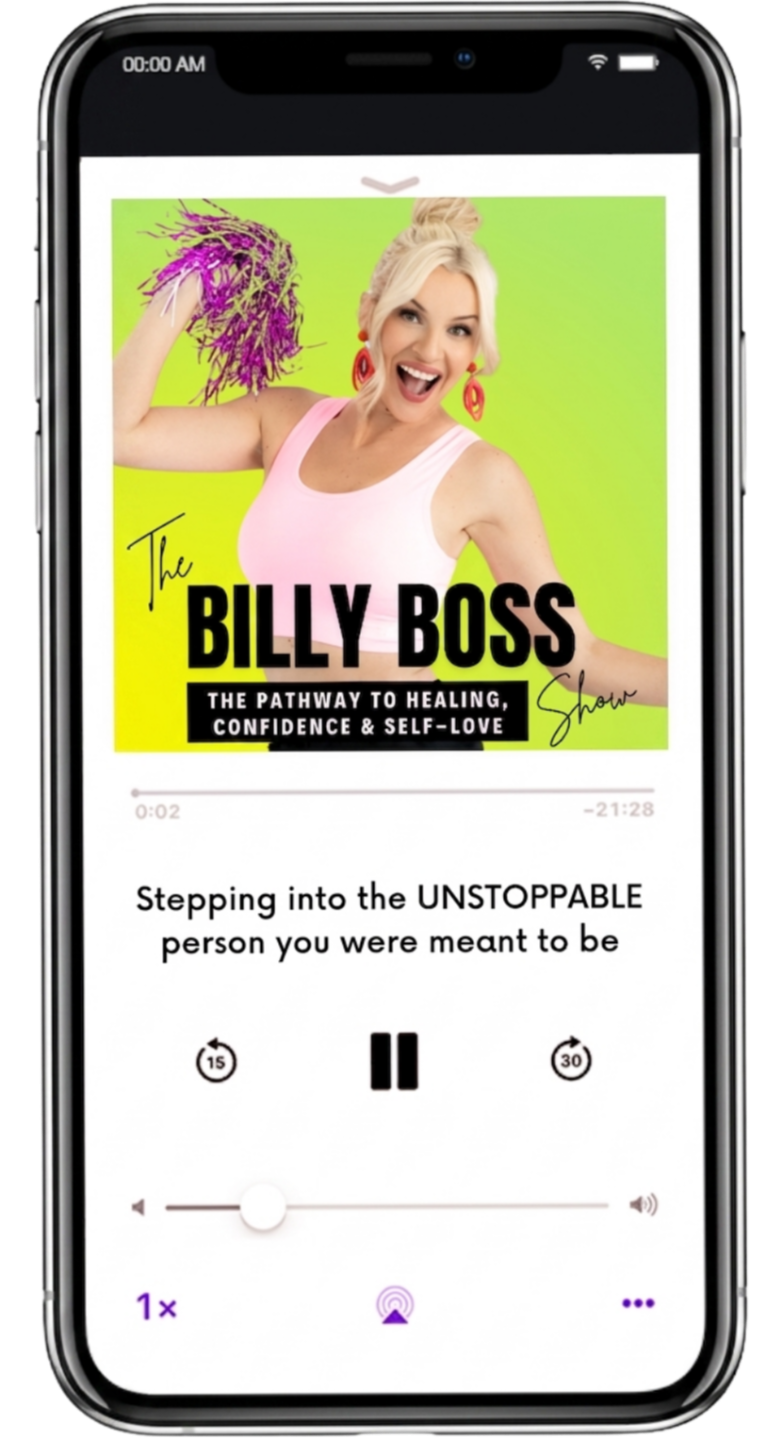

14 November 2023, by Billy Boss

What Do You Really Mean When You Say, "I AM FINE"


Do you know that “I am fine” is the most told lie in the English language? It is usually used when someone is, in fact, not fine but they say “I am fine” because they don’t want to burden others and it’s easier to explain than what’s wrong, would you agree?

F.I.N.E is said to stand for “Feeling Insecure, Neurotic and Emotional”, and can also be “Feeling I’m Nothing to Everyone” or “Feeling Inadequate, Needing Encouragement”. Whatever your definition of FINE may be most of us would just lie and say “I am FINE”, because it’s an easy way out.

Then why do we say “I am fine” when clearly, we’re not:

  • Not sure of what you really feel
  • Pretending to be okay
  • To avoid conflicts
  • Scared to tell what you're really feeling


Only those who identify with these feelings can truly understand the agony behind the words “I am fine.”

The next time someone asks how you are, think about the response you’re already anticipating. What if we didn’t settle for “fine”? What if we stop, take a moment, and answer with true sincerity how I’m doing? Or better yet, tell them how you’re feeling. We could all benefit from slowing down and honestly evaluating how we are doing.

LAST EPISODE

The Science of Confidence with Alyssa Dver


NEXT EPISODE 

Introducing The Boss Confidence: Your Starting Point for Personal and Professional Success Journey

Listen On...

24 March 2026, by Billy Boss

The Inner Critic: How Shame Becomes Your Voice (And How to Change It)


You can do something brave, something kind, something genuinely good and still hear that voice in your head that says, Not enough. Not done well enough. Not fast enough. Not perfect enough.

And it is confusing, isn’t it? Because from the outside, you look like you are coping. You are showing up. You are trying. Yet inside, it can feel like your mind is scanning for what you missed, what someone might think, and what you need to fix before you are allowed to feel proud.

If that is familiar, I want you to hear this gently: you are not broken. You are not failing at healing. What you are hearing is your inner critic, and for many women, that inner critic is not your personality. It is shame that has become a voice you have learnt to live with.

In Episode 84 of The Billy Boss Show, we explore the inner critic through the lens of emotional healing and self-worth. You will learn how shame disguises itself as a “helpful” inner voice, how to identify your most common shame pattern, and how to interrupt self-judgement in real time, so you can build self-trust and confidence from the inside out.

Understanding the inner critic: why it sounds like truth

The inner critic often sounds believable because it has been rehearsed for years. It may have been shaped by constant criticism, comparison, pressure to perform, or environments where mistakes were punished and emotions did not feel safe.

Many women unconsciously learn strategies like:

▪️ If I judge myself first, I can avoid being judged.
▪️ If I push harder, I can avoid rejection.
▪️ If I control everything, I can stay safe.

The inner critic can feel protective, like it is keeping you on track. But the cost is your peace. Over time, it drains your energy, affects your self-worth, and makes confidence feel conditional, something you only get to feel after you have proven yourself.

Shame vs guilt: the distinction that changes everything

One of the most freeing parts of this episode is understanding the difference between shame and guilt. They are not the same, and they do not create the same outcome.
 

Guilt is about behaviour

Guilt says: I did something wrong.
It can guide repair, accountability, and growth.

Shame is about identity

Shame says: There is something wrong with me.
It attacks who you are, and it often leads to hiding, overthinking, perfectionism, and constant self-judgement.

When shame becomes your inner voice, you stop seeing mistakes as moments of learning and start treating them as evidence that you are not enough.

The five shame patterns: the 5 Cs

Shame rarely announces itself. It blends into your daily inner dialogue. In this episode, five common patterns are unpacked to help you identify how shame is shaping your self-talk. These are called the 5 Cs.

As you read these, think of your average day, not your best day, not your worst day. Just normal life when you are tired, busy, and trying to keep up.

1) Criticism

Harsh self-talk that attacks identity, not behaviour. It does not say, “Try again.” It says, “What is wrong with me?” Criticism chips away at confidence because it makes you doubt yourself even when you are doing your best.

2) Comparison

Measuring your worth against someone else’s body, life, relationships, parenting, or success. It steals direction because you stop listening to your own truth and start performing to keep up.

3) Competition

Comparison with pressure. Life becomes a scoreboard and your nervous system believes you must prove yourself to be worthy. It often leads to burnout because rest feels unsafe.

4) Complaining

Not healthy sharing, but a loop where everything is wrong, nothing can change, and you feel powerless. Underneath, shame often whispers, “I am not capable. I cannot cope. I am stuck.”

5) Catastrophising

When your mind jumps to the worst-case scenario and your body reacts as if it is already real. It impacts sleep, health, decision-making, and relationships because you are living in anticipation, not in the present.

The cost of self-judgement: find your Top C

Out of criticism, comparison, competition, complaining, and catastrophising, which one is your Top C?

Your Top C is usually the pattern that drains you most. It shapes your choices and colours your confidence. It can make you second-guess your needs, avoid being seen, or keep chasing perfection to feel safe.

A powerful question from the episode is this:
If you stopped feeding your Top C, what would become possible?
What would you create with the energy you would get back?

Practical pattern interruption: Name it, Don’t believe it, Choose again

This episode is designed to be practical. Not just insight. A tool you can use in the middle of real life.

Here is the three-step reset: Name it, Don’t believe it, Choose again.
 

Step 1: Name it

Label what is happening in the moment. This is criticism. This is comparison. This is catastrophising. Naming it creates space between you and the thought.

Step 2: Don’t believe it

Remind yourself that this is an old shame pattern trying to keep you safe. It is familiar, but it is not truth. You do not have to argue with it. You just have to stop treating it as fact.

Step 3: Choose again

Choose one believable sentence you can stand on today, especially on a hard day. Not a perfect affirmation, but a true sentence.

For example:
▪️ I am learning.
▪️ I am safe to be imperfect.
▪️ I can do this one step at a time.
▪️ I do not have to prove my worth.

Then take one small action from self-respect. One breath. One boundary. One message. One next step. This is how you start building self-trust.

Building self-trust over perfection

If your inner critic has been loud for years, it makes sense that kindness can feel unfamiliar. Shame may have been part of how you stayed safe, stayed accepted, or stayed “good enough”.

But you do not have to earn your right to be on your own side.

Confidence is not built by getting everything right. It is built by learning that you can be trusted with your own life. That you will not abandon yourself when you make a mistake. That you can be imperfect and still be worthy.

Self-trust is built in the small moments. When you catch the shame voice and name it. When you pause and refuse to believe it. When you choose again, even if it is just one sentence and one breath. Those moments might look small, but they are everything. They are your nervous system learning a new truth: I am safe with me.

So this week, do not aim for perfection. Aim for practice. Once a day, catch your Top C: Name it. Don’t believe it. Choose again.

Questions to Dig Deeper: 

Reflect on these prompts to support your growth:

  1. Which of the 5 Cs shows up most for me, and what situations tend to trigger it?
  2. When my inner critic gets loud, what is it trying to protect me from feeling, risking, or being seen in?
  3. Do I tend to experience guilt (about behaviour) or shame (about identity) more often, and how does that shape my choices?
  4. What is one believable sentence I can choose again this week that supports self-trust over perfection?
  5. If I stopped feeding my Top C for seven days, what would I do with the energy and clarity I would get back?

Questions to Dig Deeper:

Reflect on these prompts to support your growth:

  1. Which of the 5 Cs shows up most for me, and what situations tend to trigger it?
  2. When my inner critic gets loud, what is it trying to protect me from feeling, risking, or being seen in?
  3. Do I tend to experience guilt (about behaviour) or shame (about identity) more often, and how does that shape my choices?
  4. What is one believable sentence I can choose again this week that supports self-trust over perfection?
  5. If I stopped feeding my Top C for seven days, what would I do with the energy and clarity I would get back?

____
Ready for deeper support? 
If you are ready to release emotional baggage and rebuild self-worth with deeper, structured support, join the Release & Rise Priority List so you are the first to receive updates when it opens:
Join the Release & Rise Priority List

If you have a question you would love to hear on The Billy Boss Show, submit it via Ask Billy Anything. Share what you are navigating, what keeps triggering you, or which of the 5 Cs shows up most in your self-talk. Submit it here:
Ask Billy Anything

Follow me here:
Instagram  
Facebook  
Website

Sign up for my weekly dose of love newsletter for YOU at: billyboss.com

Share with a Friend

If this message speaks to your heart, it would mean the world to me if you could take a moment to leave a quick review on Apple Podcasts or wherever you listen. Your words help more people in need of support—and you never know whose life you might change today by sharing this story and leaving your feedback.

Thank you from the bottom of my heart for being part of this journey. 💖

Share with a Friend

If this message speaks to your heart, it would mean the world to me if you could take a moment to leave a quick review on Apple Podcasts or wherever you listen. Your words help more people in need of support—and you never know whose life you might change today by sharing this story and leaving your feedback.

Thank you from the bottom of my heart for being part of this journey. 💖 


Show Transcript

If you ever had that moment where you did something good and instead of feeling proud, your mind immediately found what was wrong, then this episode is for you.

Welcome back to Billy Boss Show: your pathway to healing, self-love, and confidence through truth, tools, and real conversations that bring you back to yourself.

Today we are going to talk about the inner critic, the voice that can sound like motivation at times, but often leaves you feeling heavier, leaves you feeling smaller and never quite enough.

And I want you to know straight away, the goal of this episode is not to make you analyze your whole life. Instead, it's to give you one clear outcome, and by the end of this episode, you will know what your inner critic's favorite pattern is. You'll have a simple way to interrupt it.

And before we go into it, here's the quick reminder because this matters. And I don't want it to be confusing. It is usually I did something wrong. And guilt can guide you to repair to do better. On the other hand, shame is there is something wrong with me. And this is about identity. And it often drives hiding, proving, or perfectionism.

Now here's what many women don't realise, that shame rarely announces itself as shame. Shame often disguises itself as an inner voice that sounds like it's helping you, but on the other hand, it's actually keeping you stuck, keeping you very small.

And for many women, that voice did not come out of nowhere. That voice has been learned. That voice was absorbed and sadly, it became very familiar.

Sometimes those voices that do come through being criticised a lot. Sometimes they come through being compared. Sometimes it came from living in an environment where emotions weren't safe or mistakes were punished. And sometimes it came where you had to perform to be accepted.

So the mind learned a strategy. If I judge myself first, I can avoid being judged. If I push myself first, I can avoid rejections. If I control everything in my life, in my mind, I can stay safe.

So that's why the inner critic can feel like it's protecting you. But really, the cost is your peace.

So here's what we're going to do today. I'm going to walk you through five very common ways that shame shows up. I call them five C's.

Now, in different circumstances you'll hear me talking about three wks. Four wks. In this instance today we are talking about five C's. And I want you to simply listen and notice which one is most like you, not which one you shouldn't do, just which one you do most. Because awareness is the beginning of change.

So the five C's that we are going to expand a little bit today are criticism, comparison, competition, complaining and catastrophising.

As we talk through them, I want you to imagine your voice on an average day, not on your best day, nor on your worst day. Just an average day. Just a normal day when you are tired, when you are busy, when you're trying to keep up, when you're trying to do the right thing.

So let's start with the first C, criticism.

Now criticism is when your inner voice becomes harsh and attacking. It doesn't correct your behaviour. In fact, what it does, it attacks your identity. It doesn't say, well, that didn't work. Try it again. It says, what is wrong with me, you stupid thing?

And it can sound like you're not good enough. You always mess up things. You're too much. You should be better by now.

And the tricky part is, or if I can say, the sad part is that some women, they don't even notice it as criticism because it has been part of their language for so long, and it became the norm.

It sounds like the truth, but criticism is often shamed trying to keep you small so you don't risk being seen.

And it affects every area of your life. It affects your confidence because you don't back yourself. It affects your relationships because you always second guess your needs. It affects your work and business. Why? Because you can't finish things without perfectionism. It affects your parenting because you are judging yourself even when you are doing your best.

So can you see yourself in this? See in criticism?

Now let's move on to second C, comparison.

Now comparison is when you measure your worth against somebody else's life, someone else's body, someone's else parenting, someone's else success.

And comparison can sound, she is doing better than me. She is more confident than me. She has better body than me. She's more fitter than me. Everyone else has it together. But look at me, look at my relationship.

Or you might even say to yourself, I should be further ahead in my business or in my professional journey.

So comparison doesn't just steal your joy, it steals your direction. Because when you're comparing yourself to somebody else, you stop listening to your own path. You start performing, you start copying, you start doubting and shame sits underneath.

And it's saying to you, I'm not measuring up. I'm not enough. To see how shame again has that voice.

In comparison, the third C, competition.

Competition is comparison with pressure. Now it's when life becomes a scoreboard and your nervous system believes, if I'm not winning, I'm not worthy.

And competition sounds like I have to prove myself. I can't slow down. I can't fall behind. I can't let anyone see my struggle.

And it can look like constantly pushing. It can look like constantly achieving, constantly doing something but never feeling settled.

And certainly competition can lead to burnout because rest starts to feel very unsafe. Rest feels like falling behind. Rest feels like losing.

So in here, if you're hearing your voice, I can't fall behind. I have to push through. I have to prove myself. This is again, shame speaking to you.

So you become the person that competes with others.

Now, the fourth C is complaining.

I want to be very careful in here because sharing your feelings is healthy. Sharing what's hard, it is also healthy. But complaining in the context is when you get stuck in a loop where everything is wrong, nothing can change and you feel powerless.

And complaining can sound like nothing ever works out. This always happens to me. Poor me. Of course this went wrong. I knew it already. I can't deal with this.

However, underneath of complaining, shame is often whispering I'm not capable, I can't cope, I'm stuck.

So complaining can become a way. The nervous system releases pressure, but if it becomes a habit, it keeps you in a story where you have no choice.

And a fifth C, and for many women, this is the huge one, it's catastrophising it.

Now, catastrophising is when your mind jumps into the worst case scenario and your body reacts as if it's already real.

And catastrophising usually sounds like if I make a mistake, I will lose everything. If I do this, oh my gosh, I'm going to die. Oh, when I heard that I was shattered, I disappeared. I disappeared from this world. If I say no, they'll leave. If I rest, I'll fall behind and fail.

This is shame mixed with fear. And it's the nervous system trying to control the future to avoid the pain. Hear this again. This is when nervous system is trying to control the future, to avoid the pain.

And catastrophising really affects everything. It affects your sleep, your health, your decisions, your relationships because you are living in anticipation, not in present.

I want you to pause and answer this honestly. Out of the five C's, criticism, comparison, competition, complaining, and catastrophising, which one is your top C?

And let's be quite honest, in here we all have that internal dialogue of criticism. At some stage in your life, you found yourself that you are comparing yourself to somebody else. No doubt you also found yourself that you are complaining about something or someone or catastrophising. So we all at some levels experience these five C's.

But which one is your top C? Think about what drains you the most. Is it the harsh inner voice which is criticism? Is it the scroll and self-doubt which is comparison? Is it the pressure to prove which is competition? Is it the powerless negative loop which is complaining? Or is it the worst case spiral which is catastrophising it?

Now here's the next question, and I really want you to imagine this. If you stopped feeding your top C, what would become possible for you.

Let's say if you stopped feeding competition, what would be possible for you? What would you have energy for? What would you start? What would you finish? What boundaries would you set? What truths would you speak? What would you create?

Because the five C's, they don't just affect your mood. They shape your choices. And your choices shape your life. No doubt you've heard that before.

So let's make this very practical. Here's your little simple reset that you can walk away today and apply it right away. And you can change the patterns of your top C or any C that you come across.

And the simple reason is, name it. Don't believe it. Choose again. Name it. Don't believe it. Choose again.

So when you notice your topsy in the moment, do this.

First, name it. Name it what it is. Is it criticism? Is it comparison? Is it catastrophising it? So name it what it is.

The second step is, don't believe it. So say to yourself, this is shame. Trying to keep me safe. This is an old pattern, not the truth. So name it. Don't believe it.

And the third, choose again. Choose one replacement sentence that you can believe on a hard day. Not the perfect affirmation, only true sentence.

And that true sentence can sound like I'm learning. I am safe to be imperfect. I'm listening now to Billy Bob's podcast and I'm learning this. I'm going to apply it.

So this is choosing new sentence. Replacement sentence. I can handle this one step at a time. I don't have to prove my worth.

So it's not a perfect affirmation. It's just a true sentence that you are believing in it.

Then take one small action from self respect. One message, one boundary, one breath, one step. Not to be perfect, but to build self trust.

Because confidence is not a personality trait. Confidence is the result of self-trust and the self trust is built when you keep showing up for yourself, when you keep showing up for yourself gently and consistently.

So here's your practice for this week. Once per day, catch your autopsy just once. Name it. Don't believe it. Choose again.

And my friend, if you want deeper support as you let go of emotional baggage and rebuild self-trust and self-worth, you are warmly invited to join the Release and Rise priority list. You will be the first one to receive all the updates and details as it becomes available. The link is in the show notes.

And if you have a question that you would love me to answer on the podcast, we've created Ask Billy Anything. Submit your questions through the link again in the show notes, my friend.

As always, I'm so grateful that you are here in the hope that you can take one simple thing from each episode and apply in your life. This is exactly what I have been doing in my journey for over the last ten years.

I made a commitment to myself that I will do one little thing daily that will benefit my life moving forward. So I wish the same for you, and this gives me pleasure to be here and share my knowledge with you.

Now remember, this episode is not only for you and I. If you know someone that will benefit from this episode, please share it. You never know whose life you're going to change.

And remember that the truth will set you free. Until next time, stay safe and stay well. Remember that you are enough and you are deserving the best.

I would love to hear your thoughts. Tag me on social media when you share this episode and let me know what resonated with you. When we share this message, we help create a ripple effect of positive change.

LAST EPISODE

Open Wounds vs Scar Tissue: Two Trauma Patterns That Shape Your Healing, Self-Worth and Confidence

NEXT EPISODE

Coming Soon