


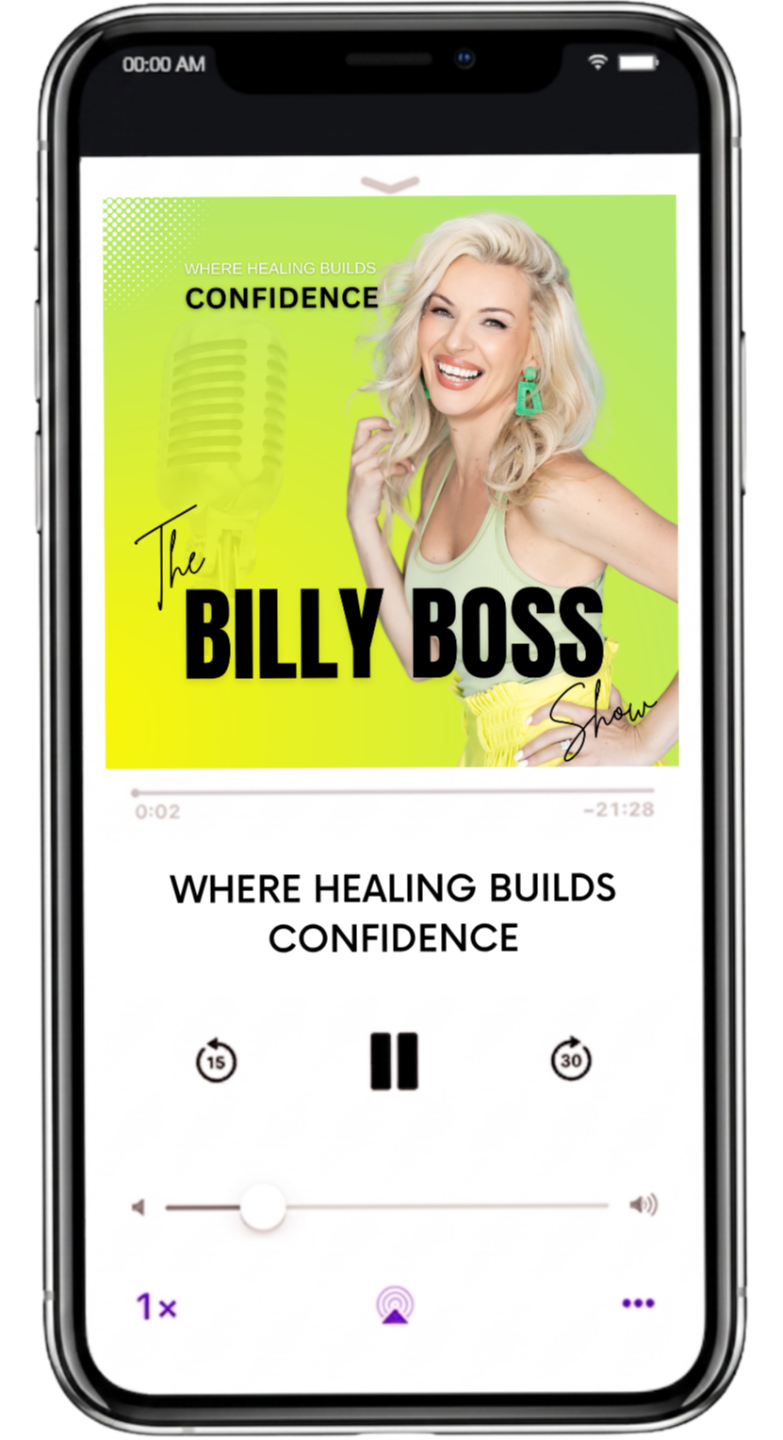

14 November 2023, by Billy Boss

What Do You Really Mean When You Say, "I AM FINE"


Do you know that “I am fine” is the most told lie in the English language? It is usually used when someone is, in fact, not fine but they say “I am fine” because they don’t want to burden others and it’s easier to explain than what’s wrong, would you agree?

F.I.N.E is said to stand for “Feeling Insecure, Neurotic and Emotional”, and can also be “Feeling I’m Nothing to Everyone” or “Feeling Inadequate, Needing Encouragement”. Whatever your definition of FINE may be most of us would just lie and say “I am FINE”, because it’s an easy way out.

Then why do we say “I am fine” when clearly, we’re not:

  • Not sure of what you really feel
  • Pretending to be okay
  • To avoid conflicts
  • Scared to tell what you're really feeling


Only those who identify with these feelings can truly understand the agony behind the words “I am fine.”

The next time someone asks how you are, think about the response you’re already anticipating. What if we didn’t settle for “fine”? What if we stop, take a moment, and answer with true sincerity how I’m doing? Or better yet, tell them how you’re feeling. We could all benefit from slowing down and honestly evaluating how we are doing.

LAST EPISODE

The Science of Confidence with Alyssa Dver


NEXT EPISODE 

Introducing The Boss Confidence: Your Starting Point for Personal and Professional Success Journey

Listen On...

10 March 2026, by Billy Boss

Pain vs Trauma: Why Some Things Hurt… and Others Hijack You


Have you ever had a moment where something happened that should have been manageable, but your reaction felt bigger than the moment? If you’ve ever walked away thinking, “What’s wrong with me?” or “I should be over this by now”, this episode will meet you with clarity and compassion.

In Episode 82 of The Billy Boss Show, Billy explains why some experiences hurt and pass through you, while others hijack you. Not because you are broken, but because your nervous system has learned to protect you.

This is a trauma-informed conversation designed to replace self-judgement with self-compassion, and to help you recognise the difference between pain vs trauma activation, so you can respond to your triggers with awareness instead of self-attack.

Why pain vs trauma is the missing piece in self-understanding

A lot of women do not struggle because they are “overreacting”. They struggle because they do not have language for what is happening inside them.

When pain is present, it hurts, but you can still stay connected to reality. You still feel like an adult. You can steady yourself and move forward.

When trauma activation is present, your body reacts like the past is happening again. The emotion is bigger than the moment. Your system shifts into protection before your mind can catch up.

And without this understanding, it is easy to live in cycles of:
▪️ 
blaming yourself for your reactions
▪️ minimising your experiences because others “had it worse”
▪️ pushing through when your body is asking for safety
▪️ repeating patterns that make perfect sense through the lens of survival

This episode offers a gentler truth: your responses are not random. They are protective. And when you understand them, healing becomes clearer.

Not everything painful is traumatic, but everything traumatic is painful

Some moments sting. They matter. They can leave you disappointed, embarrassed, rejected, angry, or hurt. But they do not necessarily overwhelm your nervous system.

Pain often sounds like: “Ouch. That hurt.”
You feel it, you might need a moment, but you still feel present.

For example:
▪️ A friend cancels plans and you feel flat, but you can still go on with your day.
▪️ You receive feedback at work and it stings, but you can reflect and respond.
▪️ You have an argument with your partner and you feel hurt, but you are not panicking that everything is ending.

Trauma activation sounds like: “This hurts, and I am not safe.”
It often comes with urgency, panic, spiralling thoughts, and a deep sense that something bigger is at stake.

This is the key distinction to come back to whenever shame tries to take over:
Not everything painful is traumatic. But everything traumatic is painful.

What trauma really is: the impact, not just the event

One of the most freeing shifts in this conversation is learning that trauma is not a competition, and it is not measured by what looked “bad enough” from the outside.

Here is the definition to really take in:

Trauma is not just what happened to you. Trauma is what happened inside you as a result of what happened to you.


Trauma is the internal impact. It is what your mind and body had to do to survive an overwhelming experience, especially when you did not have enough safety, support, or power to process it.


Your nervous system does not just move on. It makes meaning for survival.

It learns rules like:
▪️ “This is how I stay safe.”
▪️ “This is what I need to do to avoid pain.”
▪️ “This is what I need to do to keep the connection.”

And even when your life changes, those survival adaptations can keep running in the background. Not because you are failing. Because your system is loyal. It is doing what it learned to do to protect you.

How to tell when you are in trauma activation (not just pain)

When you are in pain, your emotions match the moment. When you are in trauma activation, the reaction often feels larger than the present, like you have been pulled into an old emotional reality.
 

Trauma activation often sounds like a threat to your worth or safety.


You might hear thoughts like:

▪️ “I cannot cope.”
▪️ “I feel unsafe.”
▪️ “I am not enough.”
▪️ “I am going to be abandoned.”
▪️ “I need to fix this right now or I will lose everything.”

And this is where many women turn on themselves. But your nervous system is not trying to ruin your life. It is trying to protect it.

Your body can react before your mind understands why.


Sometimes you cannot explain your reaction. You just know you are tense, panicked, shut down, or suddenly desperate to make it better.


This is where trauma triggers live: your system recognises something familiar and responds from history.

This episode helps you reframe the moment with kindness: “There is a reason this feels intense, and I can meet it with support.” 

The Present Test: a simple tool for trauma activation in real time

When you are triggered, you do not need more self-analysis. You need something simple that brings you back to the present without judgement.

Here is the check-in called The Present Test.” The next time you feel hijacked, pause and ask:

1) Is this feeling the same size as what is happening right now?

Pain fits the moment, even when it hurts. Trauma activation often feels like a full-body spiral where the emotion is bigger than what is happening.

2) Do I still feel like an adult at this moment?

Pain may sting, but you can still speak, think, and respond. Trauma activation can make you feel small inside, frozen, powerless, or like you cannot find your voice.

3) Is my body asking for support, or sounding an alarm?

Pain asks for support, like comfort, space, a walk, a trusted conversation. Trauma activation sounds an alarm. Your heart races, your stomach drops, your mind goes blank, and your body moves into survival responses like fight, flight, freeze, or please.

These questions are not designed to make you “calm down”. They are designed to help you understand what is happening, so you can meet yourself with care.

A kinder way to meet your triggers

You do not need to “toughen up” to heal. You need to understand what is happening inside you, without making it mean something is wrong with you.

Sometimes pain is simply pain. It hurts, it matters, and you can move through it. And sometimes a moment touches an older wound, and your body responds as if the past is happening again. That is trauma activation. It can feel intense, fast, and confusing, but it is not proof that you are broken. It is proof that something in you learned to survive.

So instead of asking, “What’s wrong with me?”, try asking a question that brings you back to self-compassion:What is my nervous system trying to protect me from right now?” Then follow it with the Present Test: Is this feeling the same size as what is happening? Do I still feel like an adult? Is my body asking for support, or sounding an alarm?

With practise, this becomes a new pathway: you stop abandoning yourself in the moment you most need care, and you start building safety from the inside out.

Questions to Dig Deeper: 

Reflect on these prompts to support your growth:

  1. Where in my life am I telling myself “I should be over this”, and what do I truly need instead of judgement?
  2. What situations feel bigger than the moment for me, and what might they be touching from the past?
  3. When I feel unsafe, do I fight, flee, freeze, or people-please most often? What is that response trying to protect?
  4. If my nervous system has a history, what is one compassionate way I can support it this week?
  5. What would change if I replaced self-attack with curiosity in the moments I feel triggered?

Questions to Dig Deeper:

Reflect on these prompts to support your growth:

  1. Where in my life am I telling myself “I should be over this”, and what do I truly need instead of judgement?
  2. What situations feel bigger than the moment for me, and what might they be touching from the past?
  3. When I feel unsafe, do I fight, flee, freeze, or people-please most often? What is that response trying to protect?
  4. If my nervous system has a history, what is one compassionate way I can support it this week?
  5. What would change if I replaced self-attack with curiosity in the moments I feel triggered?

____
Support and Next Steps 
If you are ready to stop pushing through and start healing with more safety, clarity, and support, join the Release & Rise Priority List. You will be the first to receive updates as the program opens, designed to help you release emotional baggage, rebuild self-trust, and strengthen self-worth from the inside out.
Join the Release & Rise Priority List

Got a trigger, pattern, or situation you want help making sense of? Ask Billy Anything is where you can leave Billy a message, and your question may be answered in an upcoming episode with practical, compassionate guidance. Submit it here:
Ask Billy Anything

Follow me here:
Instagram  
Facebook  
Website

Sign up for my weekly dose of love newsletter for YOU at: billyboss.com

Share with a Friend

If this message speaks to your heart, it would mean the world to me if you could take a moment to leave a quick review on Apple Podcasts or wherever you listen. Your words help more people in need of support—and you never know whose life you might change today by sharing this story and leaving your feedback.

Thank you from the bottom of my heart for being part of this journey. 💖

Share with a Friend

If this message speaks to your heart, it would mean the world to me if you could take a moment to leave a quick review on Apple Podcasts or wherever you listen. Your words help more people in need of support—and you never know whose life you might change today by sharing this story and leaving your feedback.

Thank you from the bottom of my heart for being part of this journey. 💖 


Show Transcript

Welcome back to The Billy Boss Show: the pathway to healing, self-love, and confidence. Today, we are talking about Trauma: what it is, what it is not, and why some moments sting, but other moments completely hijack you. And before I dive in, if you haven’t listened to the previous episode on the two types of trauma, I highly recommend you go back and listen to that one too, because it will give you a stronger foundation for today’s conversation and for the episodes that are coming your way.

Now, quick disclaimer: this episode is for educational purposes only. It’s not for self-diagnosis, and it’s not therapy, or personalised mental health advice. If you need more support, please reach out to a qualified professional. I’m a life strategist, sharing my story and journey and supporting you in the way how I best know from my own experience.

Now I want to start this in a gentle way. If you’ve ever thought, “Why am I like this?” Or if you’ve ever felt embarrassed by your reaction, or ashamed that you “should be over it by now”, this episode is for you.

Because you are not broken. You are not weak. You are not too much. There is a reason your system responds the way it does, and when you understand the reason behind it, you can start healing with self-compassion instead of self-attack.

Before I go any further, I want to share why I feel deeply aligned talking about this subject, which is trauma-related. I’m not speaking about this from a distance. I lived through it. I’ve experienced abuse. I’ve lived through violence and shootings. I’ve been held hostage. I’ve been beaten. I’ve been starved.

I walked through divorce, not one, but two. Raised my child as an independent single mum for almost a decade, and built my own business from scratch, from the ground up, with no money.

So, I do know a thing or two when it comes to some challenges in life, and when it comes to trauma. So, what I share with you isn’t theory. It’s what I’ve learned through my own healing and my own transformational journey, and what has helped me move from survival mode into real freedom. And guess what? I’m still working it through. I’m still figuring it out. And I really want you to hear this: I see you. I get you. And with the right support, you can move through the blocks that feel impossible right now.

So today, my friend, I want to share something that I’ve seen so many women do, and it was me too. We often generalise things, thoughts, feelings. We say, “I’m just emotional”, or “I’m just too sensitive”, or “I’m just broken”. When in reality, we are mixing up two different experiences. We are mixing up pain and trauma activation, or a trauma trigger. And once I started understanding what pain is and what trauma is, healing became very clear. I stopped attacking myself and I started working with my nervous system.

So let’s clear something up straight away. Not everything painful is traumatic. But everything traumatic is painful. And you know how I love to repeat certain things. Let me say that again. Not everything painful is traumatic, but everything traumatic is painful.

So, what does it really mean? You can go through something stressful and feel disappointed, embarrassed, angry, rejected, and still not be traumatised by it. You can go on a date. You dress up, you’re hopeful, you’re open, and guess what? The person doesn’t even show up.

Well, that’s painful. That’s frustrating. That might even feel humiliating. You might even think, “What’s wrong with me?” And you might feel rejected. But that moment alone isn’t automatically trauma.

Trauma often shows up when something painful today touches a wound from long ago. A wound that never got heard. A wound that never got healed. A wound that never got any attention. A wound that never got held.

So here is the definition I really want you to take in. How would you define trauma? In my simple and best way that I can explain it: Trauma isn’t just what happened to you. Trauma is what happened inside you as a result of what happened to you.

So in other words, a traumatic event isn’t automatically a trauma. Trauma is the internal impact: what your mind and your body had to do to survive what happened. It’s when an experience overwhelms your nervous system, and you don’t have enough safety, you don’t have enough support, or you don’t have the power to process it. So your nervous system adapts to survive.

And your nervous system doesn’t just move on. It makes meaning to survive. And it learns the rules, like: “This is how I have to stay safe.” “This is what I need to do to avoid pain.” “This is what I need to do to keep connection, to stay safe.”

And here’s the important part: Those survival adaptations don’t automatically switch off just because you are an adult now, just because you’ve grown up.

So trauma is not only a memory. It can become a pattern. It can become a protection. It’s a nervous system response that learned, “This is how I stay safe.”

So how do you tell the difference between “this hurts” and “this is trauma”? Pain hurts, but you still feel like you are in the present. You are here. You are now. It’s manageable.

Here is an examples of how that feels in real-life moment: Maybe a friend cancels plans last minute and you feel disappointed and a bit flat. You might think to yourself, “Well, that sucks. I was really looking forward to it.” But you still carry on with your day.

Maybe you receive constructive feedback at work. You feel a little bit embarrassed or uncomfortable, and maybe you need a moment to yourself. But you can still reflect and respond without feeling like your whole identity is under threat.

Maybe you have an argument with your partner. You feel hurt by something they said. You might need some space. You might cry. But you don’t feel panicked, like the relationship is over, like it’s ending right now.

On the other hand, trauma activation sounds a little bit different. It sounds like: “This hurts, and it feels bigger than this moment.” Can you see the difference? Pain is: “This hurts, but I’m still in the present.” Trauma is: “This hurts, and this is bigger than this moment.”

Trauma activation often sounds like: “I cannot cope with this.” “I feel unsafe.” “I am not enough.” “I’m going to be abandoned.” “I need to fix this right now, otherwise I will lose everything.” That is how trauma activation sounds like.

So it’s when your body reacts like danger is present, even if logically the situation is manageable. And for many of us, especially those with childhood trauma like myself, the most painful part isn’t the event today. It’s what it reminds the body of.

For me, I’ll give you two real examples so you can understand how specific this can be. One of my trauma triggers used to be seeing a father holding their daughter’s hand. So to most people, that’s so sweet. A normal moment. A loving moment. A father holding a daughter’s hand.

But for me, it could hit like a wave. A wave of grief, anger, sadness, even a tightness in my chest. I used to have panic attacks. Not because something bad was happening in front of me, but because my body was reacting to what it didn’t receive, what it didn’t get. My body was reacted to what I needed, what I lost, and what it meant to me back then.

Another trigger for me was something that sounds so small, but it wasn’t small in my system. It was shaking hands. So can you imagine me coming from my background, we shake hands, we hug, we kiss, and that was my big trigger because one of the signs of abuse from my father was a handshake. So even as an adult, a completely normal handshake could make my body tense. My nervous system would react first, before my mind could even remind me that I’m safe now. This is not that.

And this is what I mean when I say: the body keeps the score. Sometimes we don’t even remember every detail of what happened, especially what happened in our childhood, but the body remembers because it learned how to survive.

That’s why you might find yourself saying, “I don’t even know why I reacted like that.” And I want you to know: your nervous system does know. It’s not random. It’s a coping strategy. It’s a protection strategy. It’s your nervous system trying to keep you safe in the only way it learned how.

If you’re craving even more inspiration and real talk to fuel your confidence and success, I’ve got something special for you. Make sure you join my Weekly Dose of Love. It’s a feel-good email that lands in your inbox every Tuesday, packed with motivation, mindset tips, and tools to help you thrive in life and business. You can sign up at billyboss.com, or simply click the link in the show notes wherever you’re listening to this episode. Go on, give yourself that little boost of love each week because you deserve it.

I’ll share something personal here. When I was younger, really, throughout my teenage years and even well into my early 30s, I didn’t just carry stress. I carried a deep belief that I wasn’t safe inside myself.

Now, at the time, I didn’t have the words for it. I didn’t know that I had what I now call a safety block. I just thought, “Well, this is my personality.” I thought, “This is just how I am.” But what I was actually doing was living in protection.

I was constantly reading the room. Wherever I went, I’ll just read the room. Anticipating people. Trying to get it right. Working hard to be “good enough.” Making sure I didn’t take up “too much” space. Making sure I didn’t say the wrong way.

And can you imagine me having that fear of not saying things the wrong way? English is not my mother language. I speak back to front. So, can you imagine me trying to say everything the right way?

And that kind of writing doesn’t come from one day. It comes from repeated experiences from where your nervous system learns, quietly but powerfully, “It’s not safe to fully be me.”

And what happens is you grow up, you move countries, you build a life, but the nervous system can still react from the old rule book. So you can be an adult, intelligent, capable, strong, and in the middle of activation or any triggers, you can feel 5 years old inside. Not because you’re immature, but because an old part of you is trying to keep you safe.

So, my friend, if anyone ever said to you, “You’re just acting like a kid”, I want you to hear this with compassion. Don’t shame yourself, and don’t just react to the comment. Use it as an opportunity to pause and ask yourself, “What part of me feels unsafe right now?” “What is this moment reminding my body of?”

Because that question doesn’t make you weaker. It makes you aware. And awareness is where healing begins.

So how do you start telling the difference in real time without overthinking? I want to give you one simple check-in. You can call it whatever you want, but I call it the “Present Test.” It gives you away what it is. It’s a present test, right here, right now. You’re not in the past. You’re not in the future. You are right here with me.

So when something happens and you feel a reaction, you ask yourself these questions: “Is this feeling the same size as what’s happening right now?” And then, you follow up with another beautiful question, “Do I still feel like an adult in this moment?” And the last question, “Is my body asking for support, or is my body sounding an alarm?”

So ask yourself these three questions. Is this feeling the same size as what’s happening right now? Am I still feeling like an adult in this moment? And is my body asking for support, or is my body sounding an alarm?

Here is an example when you ask yourself the question: is this feeling the same size as what’s happening right now?

Let’s go back to a friend that cancelled plans on you. That can absolutely hurt. You might feel disappointed, you might feel rejected, but you can still go throughout the day. You can still move forward even though it is painful. So that is pain. That is hurt.

But if a friend cancels and suddenly it becomes a full body spiral, you might go to: “They don’t want me anymore.” “They always forget about me.” “I’m always forgotten.” “I’m not important.” And you feel a strong urge to fix it immediately. That’s often a trauma activation. The feeling is bigger than the moment.

When you ask yourself, “Do I still feel like an adult in this moment?” Maybe your partner says something that stings and you still can communicate: “That didn’t land well for me. Can we talk about it?” See, you are behaving like an adult.

On the other hand, trauma activation can feel like you suddenly become small inside. You feel like you’re in trouble. You feel powerless. You can’t even find your voice. Your throat tingles. Your body freezes.

And you’re no longer responding only to what’s happening now. You are now reacting to what it reminds your nervous system of.

Now the question: “Is my body asking for support or is my body sounding an alarm?” Pain asks for support.

For example, you receive feedback at work and it is uncomfortable. I’ve been in that situation so many times. You might feel embarrassed, but what you need is time to process. You might need a little walk, a little chat with somebody that you trust, and then you can come back and respond.

On the other hand, trauma activation sounds the alarm. Your heart races, your stomach drops, your mind goes blank, and your body moves into survival. You might want to defend yourself or argue, which is fight. Maybe escape the conversation, which is flight. Or go numb, which is freeze. Or instantly agree and overapologise to make it stop, so now we please.

And I want you to hear this with compassion: None of these reactions mean that you are broken. They simply mean your nervous system has a history. And take this, embrace this with your whole heart. Say to yourself, “My nervous system has a history.”

My friend, I really hope that you found value in today’s share, and I would genuinely love to hear from you. What are you going through right now that you would like support with? What questions come up for you as you are listening to this episode?

And to support you in this journey, we’ve created Ask Billy Anything questionnaire so you can leave me a message with your question, and it will be my honour to answer it in upcoming episodes of The Billy Boss Show.

If there is one thing I hope you take from today, it is this: when you understand the difference between pain and trauma activation, you stop judging yourself for having a big reaction, and you start getting curious about what your nervous system is trying to protect you from.

And awareness like this is powerful, because you begin to realise that what once kept you safe doesn’t have to keep running your life now.

Now, if you would like support as you start letting go of emotional baggage and rebuilding your self-trust and self-worth, you are warmly invited to join the Release and Rise Priority List. You’ll be the first one to receive updates and details as it becomes available, so we can go deeper and start creating a new chapter. The link is also in the show notes.

And before I say goodbye to you today, let’s bring it home: Not everything painful is traumatic. But everything traumatic is painful. Pain is real. It matters. And you are allowed to feel it. Trauma is also real. But when you understand it, you stop shaming yourself for being human.

Now, if you take one thing from today, let it be this. The next time something hits you, pause and ask, “Is this pain, or is this trauma activation?” Awareness is the first step to healing. And the truth will set you free.

Thank you for being part of this journey with me. If this episode helped you, share it with somebody who needs to hear this message. And if you can, leave us a five-star review, it helps this show reach more women who are trying to heal, who are trying to rebuild their confidence, and come home to themselves.

And if no one told you today, let it be my pleasure. You are enough. You are deserving of the best. Till next Tuesday, stay well and stay safe. Love from Billy Boss.

LAST EPISODE

The Two Types of Trauma (And Why Many People Don’t Realise They’ve Had It)

NEXT EPISODE

Coming Soon