



HEALING

Are You in Survival Mode? How to Tell if You're Coping or Truly Living


You can look like you are holding it all together and still feel like something inside you never fully softens. You keep showing up, getting things done, smiling when needed, and carrying on. But underneath that capable exterior, your body stays tense, your mind rarely rests, and peace feels harder to access than it should.

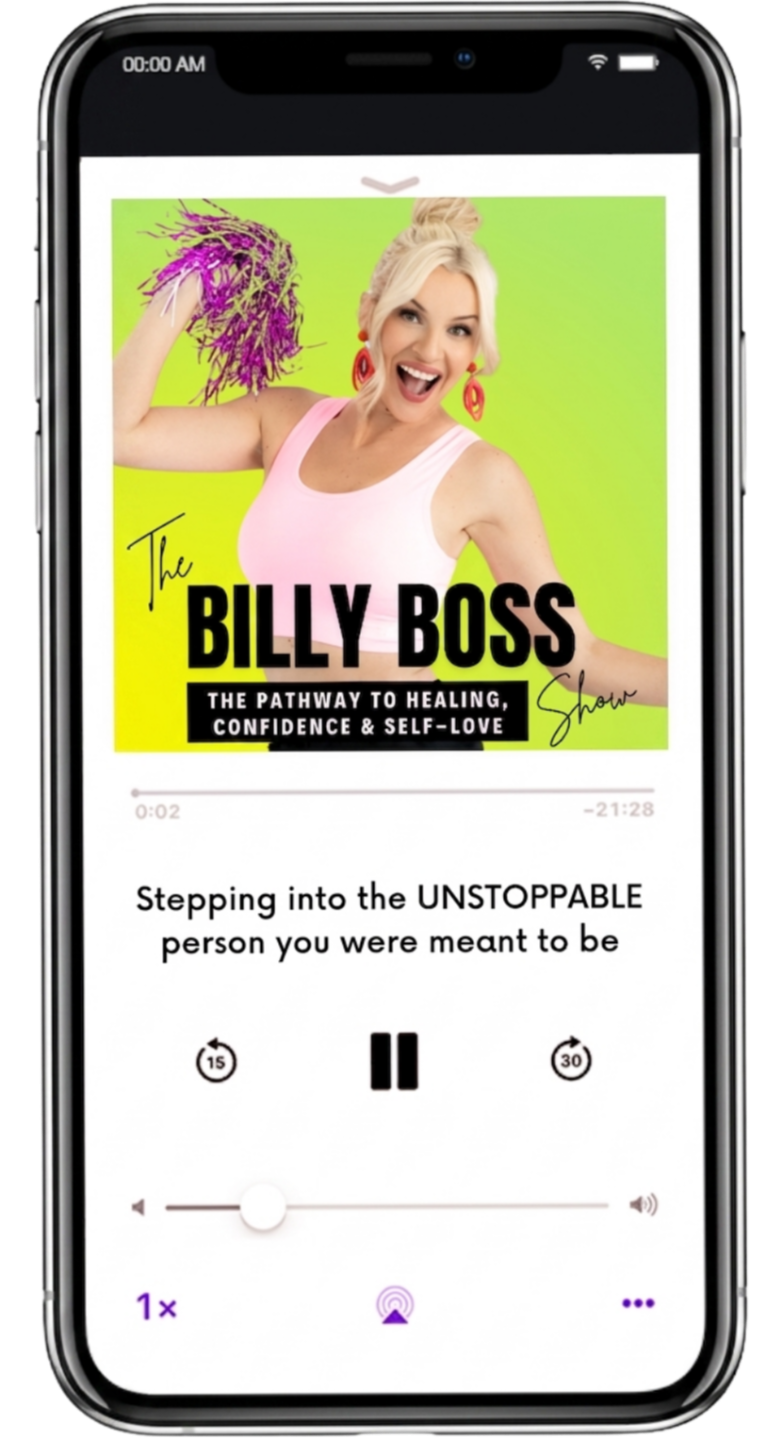
In Episode 101 of The Billy Boss Show, we explore survival mode, what it really is, how it quietly hides in everyday life, and why functioning but not feeling safe is more common than many women realise. This is a grounded, compassionate conversation for the woman who looks capable on the outside but feels tired underneath it all. This is not about judging how you have been coping. It is about helping you recognise whether what you have called strength is actually protection, and whether you have been living in survival mode for so long that it has started to feel like your normal.

What is survival mode?

Survival mode is a protective state where your mind and body stay on alert because, at some point, they learned that life was not fully safe. This can be shaped by stress, trauma, emotional pain, unpredictability, rejection, abandonment, or long periods of pressure.

When you are living in survival mode, your nervous system is not focused on ease, presence, or enjoyment. It is focused on protection. It starts asking questions like: How do I stay safe? How do I avoid pain? How do I keep everything under control?

That does not mean something is wrong with you. It means something taught your system to stay prepared. What once protected you may have helped you through difficult seasons. But over time, that same pattern can become the very thing that keeps you from feeling calm, connected, and fully alive.

How survival mode hides in plain sight

A lot of people assume survival mode has to look dramatic. They imagine visible chaos, breakdown, or a life that is clearly falling apart. But often, survival mode looks much quieter than that.

It can look polished. Responsible. Reliable. High-functioning.

It can look like being the strong one, the one who always pushes through, the one who keeps everyone else okay. It often hides behind busyness, capability, and the ability to keep going even when you are running on empty.

That is part of what makes the signs of survival mode so easy to miss. From the outside, it can appear like strength. But inside, it may feel like constant pressure, emotional flatness, exhaustion, or the sense that you can never fully exhale.

Why functioning does not always mean feeling safe

One of the most important truths in this conversation is this: functioning is not the same as feeling safe.

You can be working, parenting, helping others, succeeding, and still be deeply dysregulated. You can be productive and still be living from fear. You can be smiling and still feel like you are falling apart inside.

Sometimes coping simply means you have become skilled at suppressing what you feel. You keep moving. You stay useful. You perform well. You push through your own pain because slowing down feels too uncomfortable, or because rest brings you face to face with what you have been carrying.

This is why so many women miss their own distress. They assume that if they are managing life, they must be okay. But functioning but not feeling safe is a very real experience. A body can stay braced long after the crisis has passed.

What are the signs of living in survival mode?

The signs of survival mode are not always loud, but they are often consistent. They show up in behaviour, emotion, and the body.

Some everyday signs can include:

▪️ always staying busy because slowing down feels uncomfortable
▪️ overthinking simple decisions
▪️ people-pleasing so nobody gets upset
▪️ feeling guilty when you rest
▪️ being highly independent and struggling to ask for help
▪️ needing control to feel okay
▪️ expecting the worst, even in good situations
▪️ constantly scanning for tension or signs something might go wrong

Emotional signs of living on high alert can include:

▪️ constant worry
▪️ emotional overwhelm over small things
▪️ fear of rejection or disappointing others
▪️ feeling responsible for other people’s emotions
▪️ difficulty trusting people
▪️ feeling numb or disconnected
▪️ struggling to enjoy good moments because part of you is waiting for them to disappear

Physical signs can include:

▪️ tight shoulders
▪️ jaw clenching
▪️ shallow breathing
▪️ chest tightness
▪️ headaches
▪️ digestive issues
▪️ fatigue
▪️ trouble sleeping
▪️ muscle tension
▪️ feeling like you can never fully exhale

The body often tells the truth before the mind is ready to. That is why healing from survival mode is not only about changing thoughts. It is also about noticing what your body has been carrying for you.

I'm BILLY BOSS


I’m a speaker, podcast host, author, confidence mentor, and woman devoted to healing and transformation, and my biggest goal is simple: to help you rebuild your self-worth, own your voice, and rise into a life that feels free, powerful, and fully yours.

Over here, you’ll find the tools and support to move from self-doubt to unshakable confidence, so you can own your worth, trust your voice, and rise.

Connect with me at Facebook and Instagram 💛

A Weekly Dose of
LOVE NEWSLETTER


Join a community of courageous women healing deeply, rising powerfully, and loving themselves unconditionally.

Sign up for my Free Weekly Dose of Love Newsletter — a heartfelt note from me to you, with real talk, encouragement, and powerful reminders that you are worthy, you are enough, and you are not alone.

The BILLY BOSS Show


Tune in on Apple Podcast and Spotify 🎧

SUBSCRIBE NOW

HEALING

Are You in Survival Mode? How to Tell if You're Coping or Truly Living


You can look like you are holding it all together and still feel like something inside you never fully softens. You keep showing up, getting things done, smiling when needed, and carrying on. But underneath that capable exterior, your body stays tense, your mind rarely rests, and peace feels harder to access than it should.

In Episode 101 of The Billy Boss Show, we explore survival mode, what it really is, how it quietly hides in everyday life, and why functioning but not feeling safe is more common than many women realise. This is a grounded, compassionate conversation for the woman who looks capable on the outside but feels tired underneath it all. This is not about judging how you have been coping. It is about helping you recognise whether what you have called strength is actually protection, and whether you have been living in survival mode for so long that it has started to feel like your normal.

What is survival mode?

Survival mode is a protective state where your mind and body stay on alert because, at some point, they learned that life was not fully safe. This can be shaped by stress, trauma, emotional pain, unpredictability, rejection, abandonment, or long periods of pressure.

When you are living in survival mode, your nervous system is not focused on ease, presence, or enjoyment. It is focused on protection. It starts asking questions like: How do I stay safe? How do I avoid pain? How do I keep everything under control?

That does not mean something is wrong with you. It means something taught your system to stay prepared. What once protected you may have helped you through difficult seasons. But over time, that same pattern can become the very thing that keeps you from feeling calm, connected, and fully alive.

How survival mode hides in plain sight

A lot of people assume survival mode has to look dramatic. They imagine visible chaos, breakdown, or a life that is clearly falling apart. But often, survival mode looks much quieter than that.

It can look polished. Responsible. Reliable. High-functioning.

It can look like being the strong one, the one who always pushes through, the one who keeps everyone else okay. It often hides behind busyness, capability, and the ability to keep going even when you are running on empty.

That is part of what makes the signs of survival mode so easy to miss. From the outside, it can appear like strength. But inside, it may feel like constant pressure, emotional flatness, exhaustion, or the sense that you can never fully exhale.

Why functioning does not always mean feeling safe

One of the most important truths in this conversation is this: functioning is not the same as feeling safe.

You can be working, parenting, helping others, succeeding, and still be deeply dysregulated. You can be productive and still be living from fear. You can be smiling and still feel like you are falling apart inside.

Sometimes coping simply means you have become skilled at suppressing what you feel. You keep moving. You stay useful. You perform well. You push through your own pain because slowing down feels too uncomfortable, or because rest brings you face to face with what you have been carrying.

This is why so many women miss their own distress. They assume that if they are managing life, they must be okay. But functioning but not feeling safe is a very real experience. A body can stay braced long after the crisis has passed.

What are the signs of living in survival mode?

The signs of survival mode are not always loud, but they are often consistent. They show up in behaviour, emotion, and the body.

Some everyday signs can include:

▪️ always staying busy because slowing down feels uncomfortable
▪️ overthinking simple decisions
▪️ people-pleasing so nobody gets upset
▪️ feeling guilty when you rest
▪️ being highly independent and struggling to ask for help
▪️ needing control to feel okay
▪️ expecting the worst, even in good situations
▪️ constantly scanning for tension or signs something might go wrong

Emotional signs of living on high alert can include:

▪️ constant worry
▪️ emotional overwhelm over small things
▪️ fear of rejection or disappointing others
▪️ feeling responsible for other people’s emotions
▪️ difficulty trusting people
▪️ feeling numb or disconnected
▪️ struggling to enjoy good moments because part of you is waiting for them to disappear

Physical signs can include:

▪️ tight shoulders
▪️ jaw clenching
▪️ shallow breathing
▪️ chest tightness
▪️ headaches
▪️ digestive issues
▪️ fatigue
▪️ trouble sleeping
▪️ muscle tension
▪️ feeling like you can never fully exhale

The body often tells the truth before the mind is ready to. That is why healing from survival mode is not only about changing thoughts. It is also about noticing what your body has been carrying for you.

If this speaks to where you are right now, sign up for my weekly dose of love newsletter for YOU. It is a gentle Tuesday reset filled with motivation, mindset support, and practical tools to help you stay connected to the woman you are becoming.

SUBSCRIBE

If this speaks to where you are right now, sign up for my weekly dose of love newsletter for YOU. It is a gentle Tuesday reset filled with motivation, mindset support, and practical tools to help you stay connected to the woman you are becoming.

SUBSCRIBE


Why do you feel on edge all the time?

Sometimes the clearest sign of nervous system dysregulation is not a dramatic meltdown. It is the fact that your body keeps reacting as though something is wrong, even when nothing obvious is happening.

Maybe someone sends a message saying, “Can we talk later?” A person who feels emotionally safe may think, okay, no worries. But when you are living on high alert, your mind can instantly race. What did I do wrong? Are they upset? Is something bad about to happen?

Your nervous system does not wait for evidence. It reacts to possibility.

Or maybe you finally get a quiet evening with nothing urgent to do, and instead of relaxing, you feel uneasy. Restless. Like you should be doing something. Like peace itself feels unfamiliar.

This is one of the hardest parts of survival mode. You can tell yourself you are not stressed, but your body says otherwise. It stays vigilant. It struggles to settle. It keeps preparing for the next thing.

Sometimes your body is still living in a world your mind has already left. That part of you does not need criticism. It needs compassion, care, and gentleness.

How to get out of survival mode

If you are wondering how to get out of survival mode, start small. You do not need to force yourself into instant calm. You need gentle, honest steps towards inner safety.

1) Notice your patterns without criticising yourself. Pay attention to when you tense up, overthink, people-please, shut down, overwork, or panic. Simply notice. Awareness before change.

2) Begin listening to your body. Ask yourself: What is my body feeling right now? Am I tight? Am I braced? Am I holding my breath? Am I exhausted? Your body gives you important information.

3) Practise short moments of safety. That might look like taking a slow breath. Putting your feet on the ground. Stepping outside. Placing a hand on your heart. Saying to yourself, “In this moment, I am safe.” Not forever. Not all at once. Just this moment.

4) Tell yourself the truth. If you are anxious, say, “I feel anxious.” If you are overwhelmed, say, “I feel overwhelmed.” If you do not feel safe, be honest about that too. Truth creates connection. Pretending creates distance.

5) Start rebuilding self-trust in small ways. Rest when you need to. Say no when you mean no. Pause before automatically pleasing others. Keep one small promise to yourself each day. Safety grows when you learn that you will not abandon yourself.

 

You are not weak. You are adapted.

If this episode stirred something in you, let this land gently: you are not weak. You are adapted.

There is a difference.

The patterns that helped you survive may have been necessary once. They may have carried you through pain, instability, pressure, or environments where you did not feel fully safe. But just because those coping strategies got you here does not mean they have to keep leading your life.

You deserve more than just getting through the day. You deserve to feel safe in your body, safe in your truth, safe in your boundaries, and safe enough to rest without guilt. Safe enough to soften. Safe enough to stop performing strength and start experiencing peace.

If you are only just realising that you have been living in survival mode, please do not turn that awareness into shame. This is not failure. This is insight. And insight is where healing begins.

Questions to Dig Deeper:

Reflect on these prompts to support your growth:

  1. When life becomes quiet, do I feel peaceful, or do I feel restless, uneasy, and like something might be wrong?
  2. Am I making choices from self-trust, or from fear of rejection, conflict, disappointment, or not being enough?
  3. Do I feel like I always have to hold it all together, and what might change if I allowed myself to receive support?


Ready for deeper support?
If this episode stirred something in you and you are ready to stop living on high alert, Release & Rise is your next step. This is structured support for women ready to heal deeply, rebuild self-worth, and create the kind of inner safety that changes how you live, love, and show up for yourself.
Join the Release & Rise Priority List

And if you have a question, or there is something you are navigating that you would love support with, Ask Billy Anything is open for you. Share what is on your heart, and I would be honoured to answer it in a future episode. Submit it here:
Ask Billy Anything

Follow me here:
Instagram  
Facebook
Website

PREVIOUS POST

Don’t Give Up on Yourself: What 100 Episodes Have Taught Me About Healing, Confidence and Self-Worth

NEXT POST

Coming Soon

I'm BILLY BOSS


I’m a speaker, podcast host, author, confidence mentor, and woman devoted to healing and transformation, and my biggest goal is simple: to help you rebuild your self-worth, own your voice, and rise into a life that feels free, powerful, and fully yours.

Over here, you’ll find the tools and support to move from self-doubt to unshakable confidence, so you can own your worth, trust your voice, and rise.

Connect with me at Facebook and Instagram 💛

A Weekly Dose of
LOVE NEWSLETTER


Join a community of courageous women healing deeply, rising powerfully, and loving themselves unconditionally.

Sign up for my Free Weekly Dose of Love Newsletter — a heartfelt note from me to you, with real talk, encouragement, and powerful reminders that you are worthy, you are enough, and you are not alone.

The BILLY BOSS Show


Tune in at Apple Podcast and Spotify 🎧

SUBSCRIBE NOW